Walking out of a prison lobby after posting a bail bond feels like a finish line. It is not. It is the beginning weapon for a sequence of responsibilities, target dates, and decisions that can run for months. If you get the next actions right, the instance proceeds track, stress and anxiety remains containable, and the financial hit stays limited. Get them wrong, and costs substance, warrants issue, and the instance ends up being much more challenging to fix. I have sat beside families at 2 a.m., saw the intake windows open, and seen both results unravel. Here is just how the process truly functions as soon as a bond is published, what the court expects, what a bondsman demands, and how to prevent the catches that catch individuals who presume the paperwork dealt with everything.
The moment after release
A bail bond is a promise backed by money. The court approves the bond as guarantee that the defendant will return. In a business bond, a licensed Bail Bonds business guarantees the full amount to the court, and you pay the bail bondsman a costs, commonly 8 to 15 percent relying on state regulation and danger elements. For a cash bond, you or a family member down payment the total directly with the jail or court. Regardless, launch does not terminate the criminal situation. It just transforms where the defendant waits.
Most facilities call for 2 to 12 hours to process a bond. Every prison operates on its very own clock, and Friday evenings or holiday weekend breaks extend that timeline. When the door ultimately opens and the accused steps out, the most essential document is the launch paperwork. It generally includes the next court date, court room area, and any kind of immediate conditions. Do not presume the clerk obtained your contact number right. Check it. If text pointers are offered, enroll. A missed out on message is not a reason for a missed out on hearing.
A very early mistaken belief shows up right here: many individuals think the costs paid to the bail bondsman is a down payment. It is not. It is a cost. In nearly every state, once the accused is released, that premium is made and nonrefundable, also if the case is rejected at the first appearance. Cash bond, by contrast, is usually refundable at the end of the case minus costs or fines if the accused made every called for appearance.
Understanding who supervises of what
Three stars develop the triangular that controls an adhered launch. The court establishes problems and schedules, the bondsman keeps track of conformity and shields a monetary warranty, and the offender holds the secrets to maintain both pleased. All 3 can impose consequences.
The court's leverage is the warrant. If the accused falls short to show up, the court concerns a bench warrant, the case stalls, and the bond can be surrendered. Conditions, such as no contact orders or alcohol monitoring, carry their own dangers if breached. A pretrial solutions workplace, if assigned, functions like a light version of probation and can report noncompliance to the judge.
The bondsman's leverage is collateral and the power to surrender. If the firm believes the risk of nonappearance has boosted, it can call for additional collateral, impose check-in demands, or ask the prison to take the defendant back right into custody by submitting a surrender. That seems rough, however bear in mind the mathematics. A bail bondsman on a 25,000 bond stands to pay the full amount if the customer disappears. A 2,000 premium does not cover that loss. This is why telephone number, addresses, and employment status issue to the agency.
The defendant, for their component, regulates actions. That includes turning up, staying in touch, and preventing new fees. It also includes mundane logistics like setting alarms for court days and organizing transport well in advance. The people that succeed reward bail as a project with deadlines and contingencies, not as a single transaction.
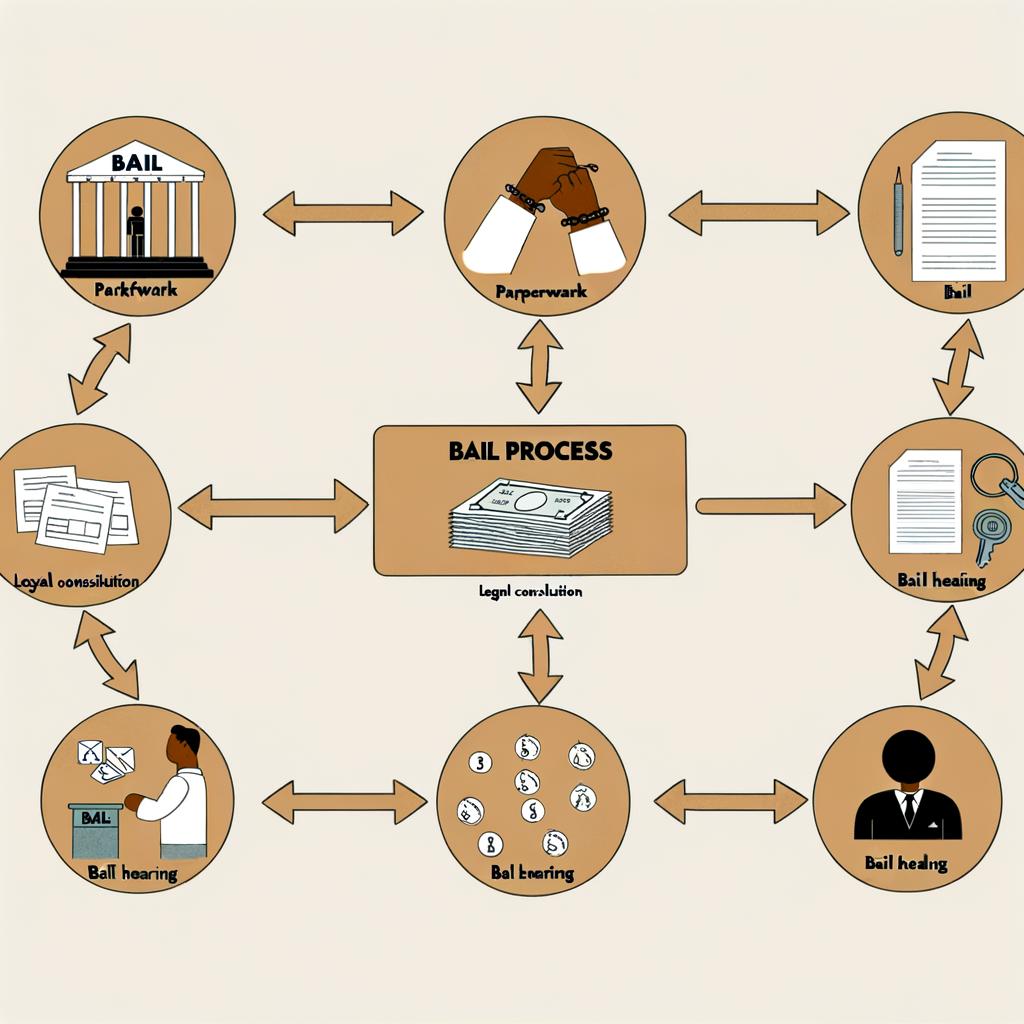
Conditions of launch that in fact get enforced
Release terms are not boilerplate. They are tailored to the cost, previous record, and local standards. I have seen an offense theft case with absolutely nothing greater than a pledge to appear, and a first-offense DUI with a stringent alcohol display and once a week check-ins. Courts have a tendency to apply 4 categories of problems:
Attendance. Appear at every hearing promptly, also if your attorney states it will certainly be a fast setup. A five-minute organizing conference is still required. Courts do not distinguish between "actual" and "paper" hearings when it involves failings to appear.
Contact limitations. If the case includes a target or co-defendants, expect no-contact orders and geographic stay-aways. Breaching these terms can cause apprehension even if the underlying case has not advanced.
Substance conformity. DUI and medicine cases typically consist of random testing, ignition interlocks, or outright abstinence. One fell short test does not always land a person back behind bars, yet it puts the court and the bail bondsman on alert.
Travel and house. Juries commonly restrict out-of-state travel or require authorization before leaving the region. Address changes need to be reported to both the court and the Bail Bonds company. A call after the move is too late. Tell them first.
What your bondsman expects from you
A trustworthy bail bondsman behaves like a threat manager. You will be asked to authorize documents that authorizes contact with your attorney and sets out collateral terms, reporting timetables, and costs for specific events. One of the most usual assumptions look like this: once a week check-ins by text or phone, notice before any change in job or house, instant notice of any type of new law enforcement contact, and presence at court settings. Some agencies request an in-person check-in once a month for the very first 90 days in higher-risk cases.
Collateral differs with the dimension of the bond and the risk profile. I have actually seen bonds secured by a car title, a second-position lien on a home, or a cash money deposit maintained in a trust account. Carefully check out exactly how and when collateral is launched. Normally, collateral is returned after the bond is vindicated, which takes place when the instance concludes or the court releases the guaranty from further obligation. If there are superior charges, companies will settle those before launching security. Maintain invoices and copies of every transaction.
If you anticipate a problem with a court look, tell your bail bondsman early. Agencies can work with counsel to reset hearings, coordinate transport, or document a clinical emergency. Silence narrows options. The most awful telephone calls I take are the ones that show up after the court has actually already forfeited a bond due to the fact that the offender decided to manage it later.

First court looks and what they signal
The opening night after release normally drops within 2 to 30 days, depending on jurisdiction and whether the preliminary arrest was on a warrant, potential cause, or indictment. At that setting, the court verifies identity, reads formal charges, and assesses conditions of release. Counsel is selected if needed. This is where the facts take shape, and where a casual attitude can harm negotiation later.
Defendants ought to bring a tidy calendar and perseverance. The docket may be crowded, and you may see six or 7 similar instances move ahead of yours. Gown matters, not for style but also for regard. Jury notification that treats the procedure seriously. If a condition feels impracticable, such as a twice-weekly screening requirement that problems with a night shift, elevate it through your attorney at this stage. Courts are a lot more adaptable early, prior to a collection of little infractions piles up right into a pattern.
If your instance is a felony, expect initial hearings, charge timelines, or details filings to expand the calendar. Misdemeanors usually resolve in 2 to four looks if the facts and record support an appeal settlement. A felony can take 6 months to a year. Bond exists to keep you functioning during that time. Keep work paystubs, therapy records, and evidence of conformity organized. Those materials have actual worth at sentencing or dismissal negotiations.
What happens if you miss court
Missed court days develop even more damage than any kind of other solitary mistake, especially when the factor was preventable. The common series: the judge calls your name, there is no response, the district attorney proposes loss, and a bench warrant issues. Some courts construct in a grace period of 24 to 72 hours to appear and explain. Others do not. In any case, your bondsman is now subjected fully amount and has a contractual right to situate and surrender you. Fees for recuperation, often called avoid tracing, land on the indemnitor that authorized your bond. I have seen those fees range from a couple of hundred bucks to numerous thousand, depending upon range and time involved.
If something inescapable takes place, like a documented clinical emergency or an automobile crash, rate and proof matter. Call your attorney and your bail bondsman right away, e-mail duplicates of hospital documentation, and ask advice to submit a movement to recall the warrant. Courts tend to forgive a first slip with solid paperwork. They hardly ever forgive a second.
When the court allots a forfeiture within legal deadlines, the bond remains in place and collateral remains secure. If a forfeit ends up being last, the surety pays the court, then the company seeks compensation from the endorser through collateral or civil collection. That is exactly how a 2,000 costs can become a 25,000 financial debt. Treat every day like a work meeting you can not reschedule.
How money bond refunds and bond exoneration actually work
At completion of the situation, the bond is either exonerated or transformed. Exoneration implies the court releases the surety from responsibility. This normally happens when among three occasions takes place: dismissal of fees, sentencing, or a volunteer abandonment as part of an appeal that includes jail time. The staff goes into an order, and the bondsman refines the release of security. Agencies have inner timelines, frequently 10 to 30 days, to complete those steps, since they require the court's authorized order and verification that no exceptional charges remain.
Cash bail refunds run on a separate track. If you paid the sum total to the court, the reimbursement goes back to the depositor of record, not necessarily the offender. Processing times differ commonly. Some counties cut checks within two weeks; others take a couple of months. If the accused owes penalties, charges, or restitution, the court can deduct those from the deposit. Ask the staff whether you need to update your mailing address to receive the check. Checks returned to a closed P.O. box can add months to an already slow-moving process.
One subtlety captures people: if an accused falls short to show up and the court orders a partial loss before renewing the bond, that reduction lowers any kind of later refund. Courts make use of partial forfeitures to mark the severity of a missed look while permitting the case to proceed.
Staying certified during a lengthy case
Time is the concealed opponent. A defendant that adheres to the rules for two months occasionally loosens up in month three, then misses out on a check-in or stops working a test. The court does not see an individual attempting their best. The court sees somebody crashing at the end. Construct regimens you can bring for the entire duration of the case.
Simple tools function. Establish schedule informs for the week prior to and the day prior to each hearing. Keep an updated call list for your attorney, bondsman, and pretrial officer. If an ignition interlock is needed, timetable upkeep ahead of holidays. Keep a spare copy of any type of no-contact order in your glove compartment. Tiny rubbings, like neglecting a situation number when calling the staff, develop tension you do not need.
If funds tighten, connect. Some Bail Bonds firms can restructure layaway plan for the premium balance if you are making a good-faith effort. Others can not because state regulations restrict just how costs are handled. You will certainly not understand unless you ask prior to you fall behind.
Traveling, relocating, and altering jobs on bond
Life does not ice up during a pending instance. People move for less costly lease, obtain brand-new tasks, or need to attend a family members funeral service. These changes are manageable if you plan.
Travel initially. Review your bond documentation and any kind of pretrial contract. Some orders say no out-of-state traveling without created authorization. Others prevent leaving the area. If you need to travel, give your legal representative and bail bondsman at the very least a week's notice, more if the journey overlaps a court date. Give a plan, call numbers, and verify whether remote check-ins are acceptable. Courts are much more responsive to requests linked to work responsibilities or clinical requirements than to recreation trips. Do not guess. Approval beats mercy every time.
Moving requires alert before the action. Courts and bondsmen count on solution addresses for notifications and for finding you if setups change. If you move without notice, you resemble a flight danger even if you continued to be neighborhood. Work changes need to be reported as well. A steady work makes you look secured. If you shed a job, inform your bail bondsman exactly how you are staying stable, like relocating with family or picking up momentary job. It is about story and danger, not just facts.
New fees while on bond
New law enforcement contact while on bond sets off a waterfall. The prosecutor in the original instance may submit a movement to revoke or boost bail. The court could tighten up conditions, include tracking, or establish a no-bond hold until a hearing. The bondsman will reassess risk and might require additional collateral or impose even more frequent check-ins. Exactly how this plays out depends on the seriousness of the brand-new cost and the pattern it suggests.
If the new issue is minor, such as a traffic ticket that is a civil infraction, the influence is usually small. An offense that mirrors the original cost, like a 2nd shoplifting arrest, reviews severely. A terrible violation while on bond for a pacifist instance can finish launch completely. Be candid with your lawyer and https://abbabailbonds.com/bail-bond-resources/ firm instantly. Shocks at the next court date are even worse than trouble dealt with early.
When a bondsman can surrender a defendant
People are often shocked to learn that a surety can give up a defendant also without a new arrest or missed court day. The contract typically permits it if the danger intensifies. Typical triggers consist of existing regarding house, getting rid of a general practitioners keep an eye on, threatening a witness, or failing to pay agreed fees. That does not imply abandonment takes place gently. It costs the company time, damages trust fund, and hurts the client partnership. Yet if a file appears like a loss waiting to take place, a liable bail bondsman acts.
If you receive notification that the agency intends to surrender you, call your lawyer. In some cases counsel can negotiate conditions short of abandonment, like an added cosigner, temporary residence apprehension, or a partial cash money deposit to bolster the commitment. Juries value structured solutions that deal with risk without obstructing prison beds.
How lawyers, bail bondsmans, and pretrial solutions coordinate
The ideal results occur when the three systems speak to each other. Defense attorneys can get calendar setups lined up so the offender does not require to miss benefit spread dates. Bondsmen can provide pointers and flag risks early. Pretrial solutions can verify compliance so the court has self-confidence to maintain or relax problems. If you do not already have a group e-mail thread amongst counsel, agency, and customer, produce one. Miscommunication is responsible for an unexpected share of failures to appear.
A sensible example: I stood for a client functioning nights that had a 9 a.m. check-in every Wednesday. Predictably, two months in, they slept in and missed out on. We fixed it by getting pretrial solutions to switch over to an afternoon slot and asking the bail bondsman to accept a message check-in for the first 60 days. No dramatization, no lecture from the bench, simply honest organizing. Problems such as this are understandable when raised before they are violations.
Costs you will certainly see past the premium
Bail is only one line product in an instance that can carry unexpected prices. Anticipate court costs at personality, guidance costs if pretrial solutions is included, costs for electronic monitoring, and attorney's charges. Some areas bill a bond filing charge or a portion deduction from money bail refunds. If your bail bondsman needs to send an agent for an area go to since you missed two check-ins, you might see a service charge. None of these numbers are hidden, however they are scattered across files. Sit down with a notepad and checklist them. A clear photo of overall price assists you make decisions about plea deals or diversion programs.
Special situations: migration holds, out-of-county warrants, and probation detainers
Edge instances complicate the clean sequence the majority of people expect. If a defendant has an ICE detainer, posting a regional bond may result in transfer to government custodianship instead of release. Coordinate with immigration counsel prior to posting. With out-of-county warrants, publishing bond in one jurisdiction can set off a hold and transport to one more region where a second bond is needed. Allocate a delay and extra premium.
Probation detainers are one more trap. If the new apprehension goes against an existing probation, the probation court can hold the offender without bond up until a hearing. In that scenario, paying for a new bond on the fresh situation might not cause launch. Call probation initially, verify whether a detainer is in place, and strategy with counsel.
How to end up strong and obtain your life back
The back fifty percent of an instance is quieter. Discovery is exchanged, activities are suggested, and arrangements run mostly on paper and in chambers. Usage that time to build a record. If the fee entailed substance use, attend therapy and maintain conclusion certifications. If restitution is a concern, begin paying. Juries respond well to offenders that solve issues while on bond. Your lawyer can package that progress into a sentencing memorandum or a dismissal argument.
When the end comes, verify with your bail bondsman that the bond has been pardoned. Ask for written confirmation of collateral release and a statement revealing an absolutely no equilibrium. If you transferred cash bond, call the staff to validate your address for reimbursement. Save every order, invoice, and letter. Companies, proprietors, and licensing boards occasionally ask for proof that a case has actually closed, and you do not want to depend on a worn staff's archive.
Finally, take a breath, after that do the last item: clear your schedule of any check-ins, uninstall any kind of monitoring apps, and return any lent devices. Loosened ends create migraines months later. Closure matters.

A brief checklist you can really use
- Read the release paperwork before you leave the entrance hall, verify the following court day, and break a photo. Store call info for your legal representative, bondsman, pretrial officer, and the court clerk, and set calendar suggestions one week and eventually before each hearing. Report modifications in address, phone, work, and travel plans to both the court or pretrial services and your Bail Bonds representative prior to they happen. Keep proof of conformity, consisting of test outcomes, therapy documents, and paystubs, in a solitary folder to reveal development and stability. If a problem occurs, call your legal representative and bail bondsman right away, document the problem, and ask for a formal reset or modification rather than skipping an obligation.
What experienced practitioners want more people knew
Most bond problems are not about poor intent. They have to do with rubbing and silence. The system awards early communication, predictable regimens, and documents. It punishes assumptions, final shuffles, and missed out on messages. A bondsman is not your adversary. They are a stakeholder with a calculator, and if you make their danger smaller, your life gets less complicated. Judges respond to truths over pledges. Bring them evidence. And the cost you paid to the firm is not a deposit awaiting a reimbursement. It is the price of wheelchair while the case steps. If you maintain your side of the bargain, that movement brings you to the goal with your financial resources and reputation mainly intact.
Posting a bail bond opens up a door. What occurs next relies on exactly how you go through it. Deal with the bond as an organized agreement. Function the strategy. Stay obtainable. Level when things go sideways. The instance will certainly still be stressful, and the path will certainly still be long in some courts, yet you will prevent the challenges that turn a tough chapter into a long lasting crisis.
ABBA Bail Bonds 900 Avila St STE 101 Los Angeles, CA 90012 (213) 296-0901 https://abbabailbonds.com